
Project Context And Site Goals
The goal on a quality data review platform is not a one-time demo. vision sample library and maintenance workflow has to run at real line speed, with product variants, defect rules, operator actions and downtime windows understood before maintenance strategy can be judged.
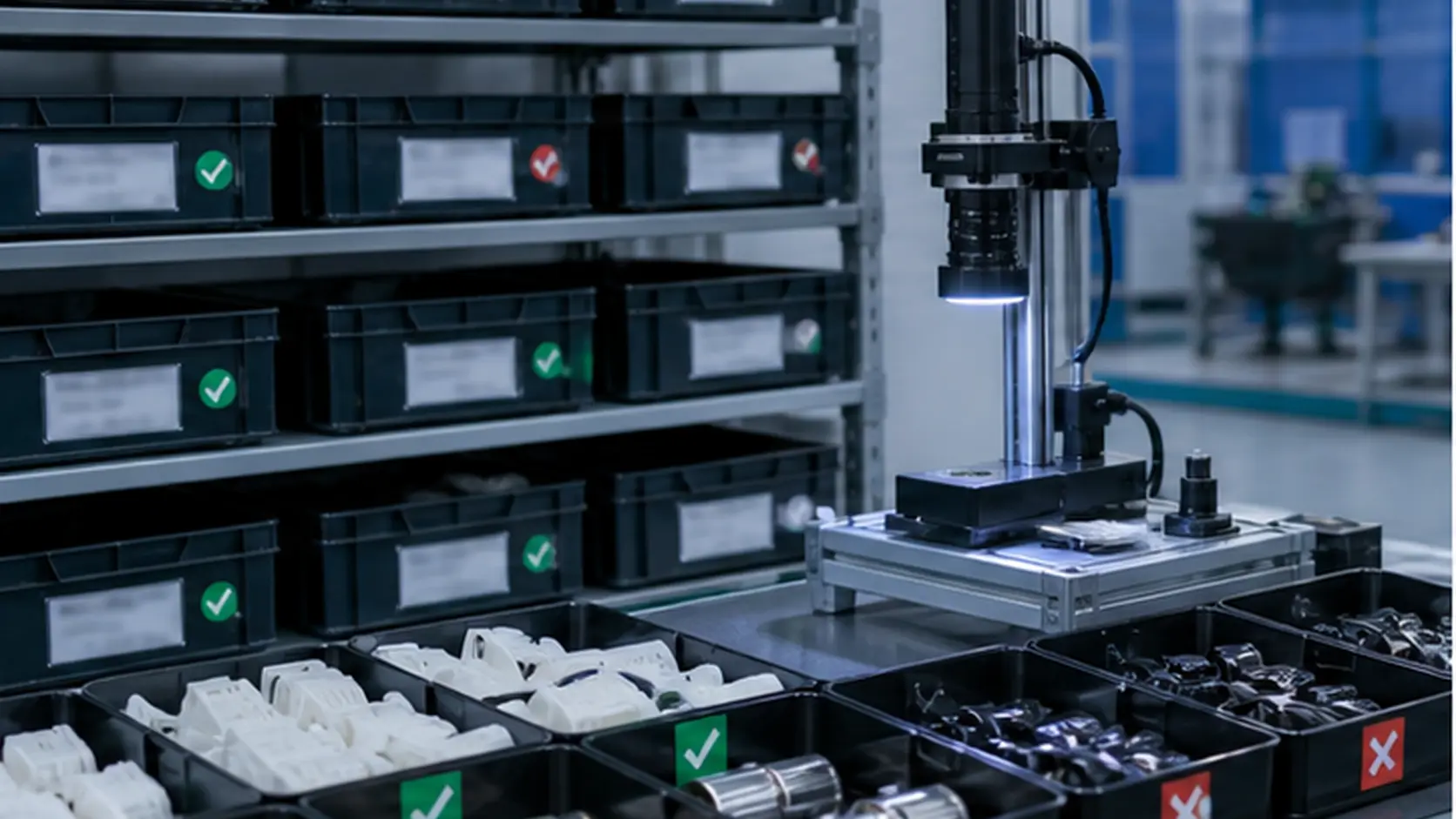
For Project Context And Site Goals, the team should turn the takt, changeover pattern, defect definition, review ownership and stop-line boundary of the quality data review platform into an executable checklist. vision sample library and maintenance workflow is not an isolated camera or software module; it has to be validated together with fixtures, lighting, triggers, PLC action, edge computing, local storage and operator behavior. That is how maintenance strategy becomes evidence instead of a claim.
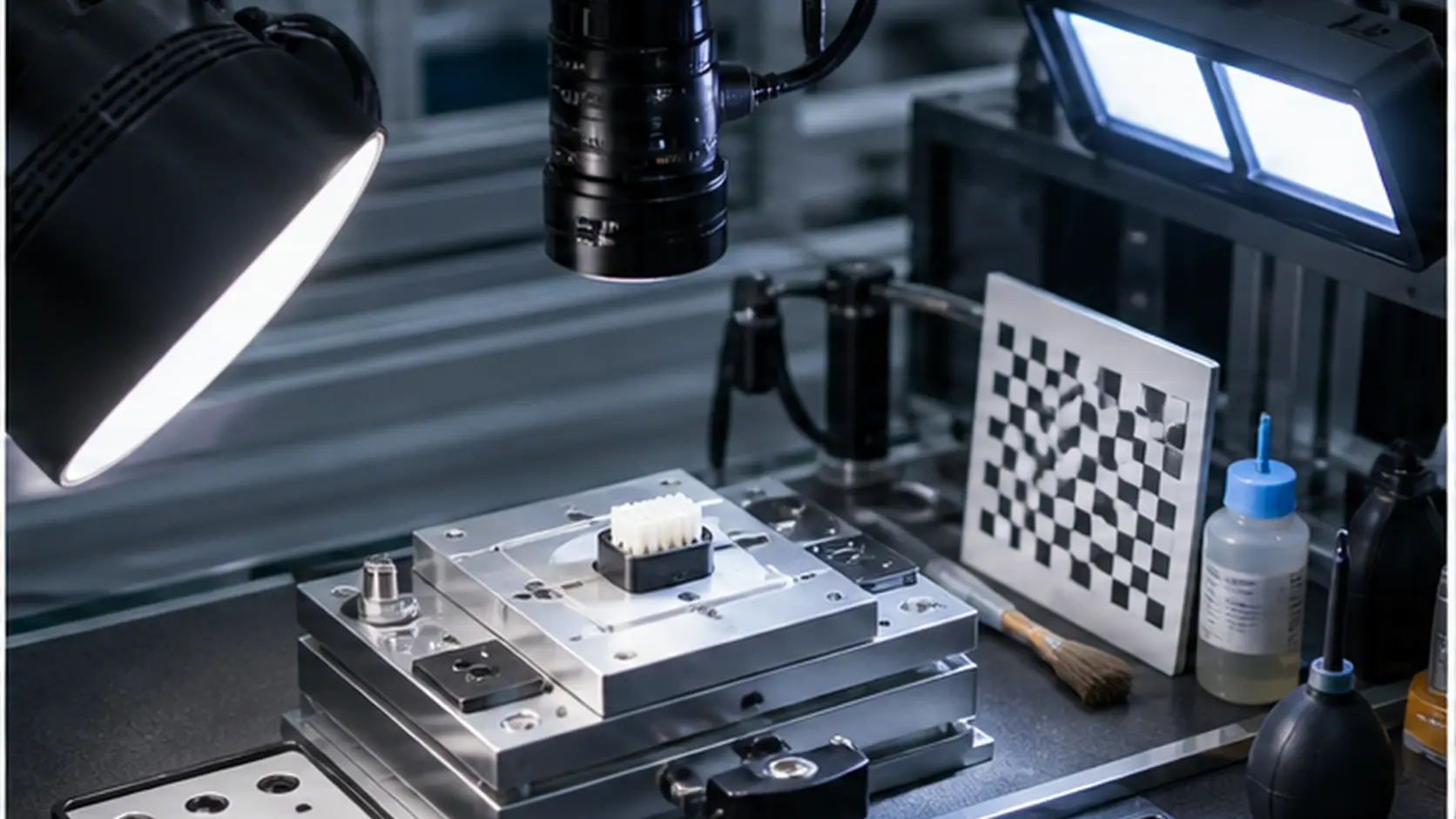
On the equipment side, the decisive factor is not only the algorithm. Field of view, lighting angle, part pose, vibration, dust, reflection, temperature drift and pneumatic timing all shape the final result. If these inputs are unstable, extra model training will be canceled by site variation. The article should therefore explain machine, environment and operation boundaries in language that engineering, quality and maintenance teams can share.
On the data side, vision sample library and maintenance workflow should connect raw images, result images, batch, recipe, model version, work order, alarm, review decision and reject signal into one record chain. When the network is down, local inspection, evidence retention and reject action continue; when the network returns, governance data can sync to cloud services or MES. This supports edge autonomy, quality traceability and replication across lines.
On the acceptance side, a single successful screenshot is not enough to prove maintenance strategy. A stronger report covers continuous run time, cycle-time margin, false reject rate, missed-defect risk, abnormal recovery, permission control, sample coverage, report fields and maintenance cycle. Once these metrics are in one table, the inspection system on the quality data review platform is much less likely to become an unexplained black box after launch.
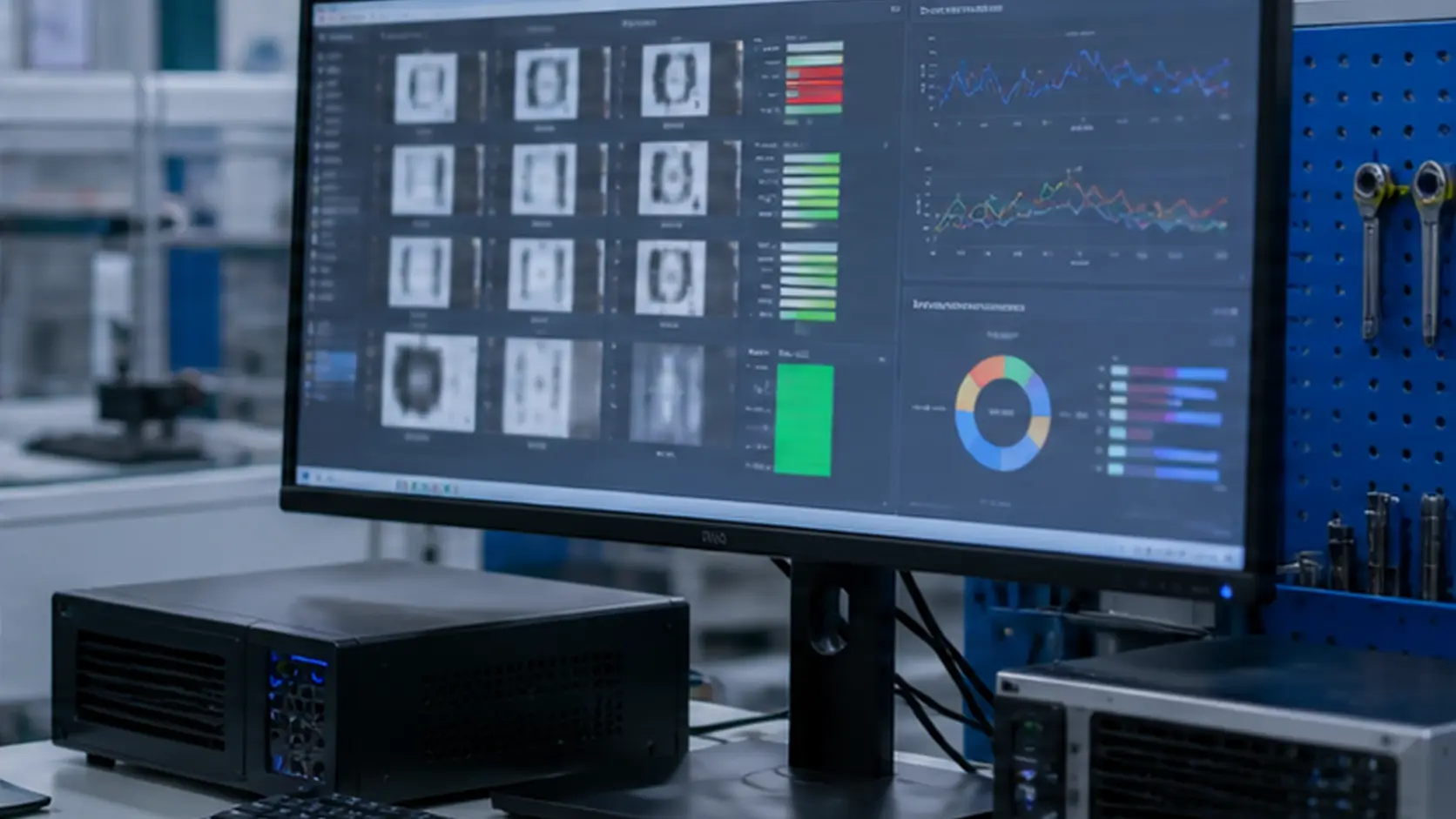
From a project-evaluation angle, buyers look beyond the product name. They ask about equipment scope, camera and lighting selection, inspection boundaries, quality traceability, PLC integration, MES integration and production-line retrofit risks. Project Context And Site Goals should answer those points in site language so engineering, quality, maintenance and purchasing teams can decide the next step.
System Scope And Inspection Boundary
vision sample library and maintenance workflow combines imaging, control, algorithms, data and line integration. Camera, lens, lighting, trigger, fixture, conveyor or robot motion, edge computing and recipe software must define one shared boundary.
For System Scope And Inspection Boundary, the team should turn the takt, changeover pattern, defect definition, review ownership and stop-line boundary of the quality data review platform into an executable checklist. vision sample library and maintenance workflow is not an isolated camera or software module; it has to be validated together with fixtures, lighting, triggers, PLC action, edge computing, local storage and operator behavior. That is how maintenance strategy becomes evidence instead of a claim.
On the equipment side, the decisive factor is not only the algorithm. Field of view, lighting angle, part pose, vibration, dust, reflection, temperature drift and pneumatic timing all shape the final result. If these inputs are unstable, extra model training will be canceled by site variation. The article should therefore explain machine, environment and operation boundaries in language that engineering, quality and maintenance teams can share.
On the data side, vision sample library and maintenance workflow should connect raw images, result images, batch, recipe, model version, work order, alarm, review decision and reject signal into one record chain. When the network is down, local inspection, evidence retention and reject action continue; when the network returns, governance data can sync to cloud services or MES. This supports edge autonomy, quality traceability and replication across lines.
On the acceptance side, a single successful screenshot is not enough to prove maintenance strategy. A stronger report covers continuous run time, cycle-time margin, false reject rate, missed-defect risk, abnormal recovery, permission control, sample coverage, report fields and maintenance cycle. Once these metrics are in one table, the inspection system on the quality data review platform is much less likely to become an unexplained black box after launch.
From a project-evaluation angle, buyers look beyond the product name. They ask about equipment scope, camera and lighting selection, inspection boundaries, quality traceability, PLC integration, MES integration and production-line retrofit risks. System Scope And Inspection Boundary should answer those points in site language so engineering, quality, maintenance and purchasing teams can decide the next step.
Installation Variables To Control
During installation, lighting angle, camera field of view, fixture repeatability, trigger timing, cable routing, air supply and cabinet temperature all matter. A small drift can create false calls, missed images or mismatched results.
For Installation Variables To Control, the team should turn the takt, changeover pattern, defect definition, review ownership and stop-line boundary of the quality data review platform into an executable checklist. vision sample library and maintenance workflow is not an isolated camera or software module; it has to be validated together with fixtures, lighting, triggers, PLC action, edge computing, local storage and operator behavior. That is how maintenance strategy becomes evidence instead of a claim.
On the equipment side, the decisive factor is not only the algorithm. Field of view, lighting angle, part pose, vibration, dust, reflection, temperature drift and pneumatic timing all shape the final result. If these inputs are unstable, extra model training will be canceled by site variation. The article should therefore explain machine, environment and operation boundaries in language that engineering, quality and maintenance teams can share.
On the data side, vision sample library and maintenance workflow should connect raw images, result images, batch, recipe, model version, work order, alarm, review decision and reject signal into one record chain. When the network is down, local inspection, evidence retention and reject action continue; when the network returns, governance data can sync to cloud services or MES. This supports edge autonomy, quality traceability and replication across lines.
On the acceptance side, a single successful screenshot is not enough to prove maintenance strategy. A stronger report covers continuous run time, cycle-time margin, false reject rate, missed-defect risk, abnormal recovery, permission control, sample coverage, report fields and maintenance cycle. Once these metrics are in one table, the inspection system on the quality data review platform is much less likely to become an unexplained black box after launch.
From a project-evaluation angle, buyers look beyond the product name. They ask about equipment scope, camera and lighting selection, inspection boundaries, quality traceability, PLC integration, MES integration and production-line retrofit risks. Installation Variables To Control should answer those points in site language so engineering, quality, maintenance and purchasing teams can decide the next step.
PLC, MES And Local Data
Industrial vision should record more than OK/NG. PLC signals, MES orders, batch, recipe, model version, images and review results should be stored locally first, with cloud upload used for governance when the network is available.
For PLC, MES And Local Data, the team should turn the takt, changeover pattern, defect definition, review ownership and stop-line boundary of the quality data review platform into an executable checklist. vision sample library and maintenance workflow is not an isolated camera or software module; it has to be validated together with fixtures, lighting, triggers, PLC action, edge computing, local storage and operator behavior. That is how maintenance strategy becomes evidence instead of a claim.
On the equipment side, the decisive factor is not only the algorithm. Field of view, lighting angle, part pose, vibration, dust, reflection, temperature drift and pneumatic timing all shape the final result. If these inputs are unstable, extra model training will be canceled by site variation. The article should therefore explain machine, environment and operation boundaries in language that engineering, quality and maintenance teams can share.
On the data side, vision sample library and maintenance workflow should connect raw images, result images, batch, recipe, model version, work order, alarm, review decision and reject signal into one record chain. When the network is down, local inspection, evidence retention and reject action continue; when the network returns, governance data can sync to cloud services or MES. This supports edge autonomy, quality traceability and replication across lines.
On the acceptance side, a single successful screenshot is not enough to prove maintenance strategy. A stronger report covers continuous run time, cycle-time margin, false reject rate, missed-defect risk, abnormal recovery, permission control, sample coverage, report fields and maintenance cycle. Once these metrics are in one table, the inspection system on the quality data review platform is much less likely to become an unexplained black box after launch.
From a project-evaluation angle, buyers look beyond the product name. They ask about equipment scope, camera and lighting selection, inspection boundaries, quality traceability, PLC integration, MES integration and production-line retrofit risks. PLC, MES And Local Data should answer those points in site language so engineering, quality, maintenance and purchasing teams can decide the next step.
Samples, False Calls And Review Flow
The sample library should include good parts, typical defects, boundary samples and good parts that are easy to reject by mistake. Review ownership and model rollback must be clear before production release.
For Samples, False Calls And Review Flow, the team should turn the takt, changeover pattern, defect definition, review ownership and stop-line boundary of the quality data review platform into an executable checklist. vision sample library and maintenance workflow is not an isolated camera or software module; it has to be validated together with fixtures, lighting, triggers, PLC action, edge computing, local storage and operator behavior. That is how maintenance strategy becomes evidence instead of a claim.
On the equipment side, the decisive factor is not only the algorithm. Field of view, lighting angle, part pose, vibration, dust, reflection, temperature drift and pneumatic timing all shape the final result. If these inputs are unstable, extra model training will be canceled by site variation. The article should therefore explain machine, environment and operation boundaries in language that engineering, quality and maintenance teams can share.
On the data side, vision sample library and maintenance workflow should connect raw images, result images, batch, recipe, model version, work order, alarm, review decision and reject signal into one record chain. When the network is down, local inspection, evidence retention and reject action continue; when the network returns, governance data can sync to cloud services or MES. This supports edge autonomy, quality traceability and replication across lines.
On the acceptance side, a single successful screenshot is not enough to prove maintenance strategy. A stronger report covers continuous run time, cycle-time margin, false reject rate, missed-defect risk, abnormal recovery, permission control, sample coverage, report fields and maintenance cycle. Once these metrics are in one table, the inspection system on the quality data review platform is much less likely to become an unexplained black box after launch.
From a project-evaluation angle, buyers look beyond the product name. They ask about equipment scope, camera and lighting selection, inspection boundaries, quality traceability, PLC integration, MES integration and production-line retrofit risks. Samples, False Calls And Review Flow should answer those points in site language so engineering, quality, maintenance and purchasing teams can decide the next step.
Acceptance Metrics
Acceptance should cover detection, line action, data and maintenance. Continuous run time, cycle time, false reject, missed defect, recovery, permissions and traceability fields belong in the same report.
For Acceptance Metrics, the team should turn the takt, changeover pattern, defect definition, review ownership and stop-line boundary of the quality data review platform into an executable checklist. vision sample library and maintenance workflow is not an isolated camera or software module; it has to be validated together with fixtures, lighting, triggers, PLC action, edge computing, local storage and operator behavior. That is how maintenance strategy becomes evidence instead of a claim.
On the equipment side, the decisive factor is not only the algorithm. Field of view, lighting angle, part pose, vibration, dust, reflection, temperature drift and pneumatic timing all shape the final result. If these inputs are unstable, extra model training will be canceled by site variation. The article should therefore explain machine, environment and operation boundaries in language that engineering, quality and maintenance teams can share.
On the data side, vision sample library and maintenance workflow should connect raw images, result images, batch, recipe, model version, work order, alarm, review decision and reject signal into one record chain. When the network is down, local inspection, evidence retention and reject action continue; when the network returns, governance data can sync to cloud services or MES. This supports edge autonomy, quality traceability and replication across lines.
On the acceptance side, a single successful screenshot is not enough to prove maintenance strategy. A stronger report covers continuous run time, cycle-time margin, false reject rate, missed-defect risk, abnormal recovery, permission control, sample coverage, report fields and maintenance cycle. Once these metrics are in one table, the inspection system on the quality data review platform is much less likely to become an unexplained black box after launch.
From a project-evaluation angle, buyers look beyond the product name. They ask about equipment scope, camera and lighting selection, inspection boundaries, quality traceability, PLC integration, MES integration and production-line retrofit risks. Acceptance Metrics should answer those points in site language so engineering, quality, maintenance and purchasing teams can decide the next step.
Maintenance And Replication
After go-live, teams must check lighting decay, lens contamination, fixture wear, disk capacity, model versions and sample review. To copy the system to another line, keep recipes, sample sets, training and incident records.
For Maintenance And Replication, the team should turn the takt, changeover pattern, defect definition, review ownership and stop-line boundary of the quality data review platform into an executable checklist. vision sample library and maintenance workflow is not an isolated camera or software module; it has to be validated together with fixtures, lighting, triggers, PLC action, edge computing, local storage and operator behavior. That is how maintenance strategy becomes evidence instead of a claim.
On the equipment side, the decisive factor is not only the algorithm. Field of view, lighting angle, part pose, vibration, dust, reflection, temperature drift and pneumatic timing all shape the final result. If these inputs are unstable, extra model training will be canceled by site variation. The article should therefore explain machine, environment and operation boundaries in language that engineering, quality and maintenance teams can share.
On the data side, vision sample library and maintenance workflow should connect raw images, result images, batch, recipe, model version, work order, alarm, review decision and reject signal into one record chain. When the network is down, local inspection, evidence retention and reject action continue; when the network returns, governance data can sync to cloud services or MES. This supports edge autonomy, quality traceability and replication across lines.
On the acceptance side, a single successful screenshot is not enough to prove maintenance strategy. A stronger report covers continuous run time, cycle-time margin, false reject rate, missed-defect risk, abnormal recovery, permission control, sample coverage, report fields and maintenance cycle. Once these metrics are in one table, the inspection system on the quality data review platform is much less likely to become an unexplained black box after launch.
From a project-evaluation angle, buyers look beyond the product name. They ask about equipment scope, camera and lighting selection, inspection boundaries, quality traceability, PLC integration, MES integration and production-line retrofit risks. Maintenance And Replication should answer those points in site language so engineering, quality, maintenance and purchasing teams can decide the next step.
Buyer Evaluation Concerns
When buyers evaluate vision sample library and maintenance workflow, quality data review platform or maintenance strategy, they need practical answers: whether it fits the line, where the risks are, how acceptance works, whether data can be traced and whether the setup can be repeated on similar lines.
For Buyer Evaluation Concerns, the team should turn the takt, changeover pattern, defect definition, review ownership and stop-line boundary of the quality data review platform into an executable checklist. vision sample library and maintenance workflow is not an isolated camera or software module; it has to be validated together with fixtures, lighting, triggers, PLC action, edge computing, local storage and operator behavior. That is how maintenance strategy becomes evidence instead of a claim.
On the equipment side, the decisive factor is not only the algorithm. Field of view, lighting angle, part pose, vibration, dust, reflection, temperature drift and pneumatic timing all shape the final result. If these inputs are unstable, extra model training will be canceled by site variation. The article should therefore explain machine, environment and operation boundaries in language that engineering, quality and maintenance teams can share.
On the data side, vision sample library and maintenance workflow should connect raw images, result images, batch, recipe, model version, work order, alarm, review decision and reject signal into one record chain. When the network is down, local inspection, evidence retention and reject action continue; when the network returns, governance data can sync to cloud services or MES. This supports edge autonomy, quality traceability and replication across lines.
On the acceptance side, a single successful screenshot is not enough to prove maintenance strategy. A stronger report covers continuous run time, cycle-time margin, false reject rate, missed-defect risk, abnormal recovery, permission control, sample coverage, report fields and maintenance cycle. Once these metrics are in one table, the inspection system on the quality data review platform is much less likely to become an unexplained black box after launch.
From a project-evaluation angle, buyers look beyond the product name. They ask about equipment scope, camera and lighting selection, inspection boundaries, quality traceability, PLC integration, MES integration and production-line retrofit risks. Buyer Evaluation Concerns should answer those points in site language so engineering, quality, maintenance and purchasing teams can decide the next step.